Single Member LLC Guide: Everything You Need to Know
A single member LLC — an LLC with just one owner — is the most common LLC structure in the United States. It provides the same liability protection as a multi-member LLC with the tax simplicity of a sole proprietorship. This guide covers everything a solo business owner needs to know about single member LLCs.
Disclaimer: This content is for informational purposes only and does not constitute legal or tax advice. Always consult qualified professionals for advice specific to your situation.
How a Single Member LLC is Taxed
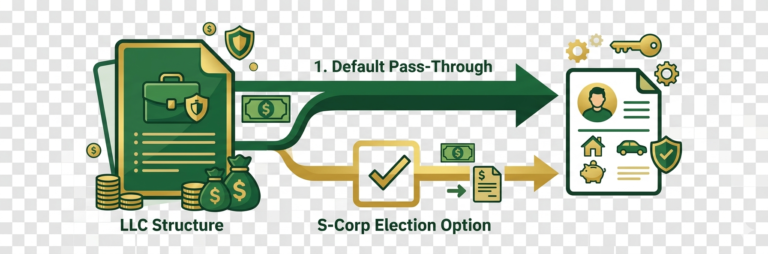
By default, the IRS treats a single member LLC as a disregarded entity — meaning it does not exist as a separate tax entity from its owner. All income and expenses are reported on Schedule C of your personal tax return, exactly as a sole proprietor would. You also pay self-employment tax (15.3%) on your net profit. However, you can elect S-Corporation taxation to potentially reduce self-employment taxes on higher income levels. Read LLC Taxes Explained for complete tax guidance.
Maintaining the Corporate Veil in a Single Member LLC
The biggest risk for single member LLC owners is piercing the corporate veil — a court finding that you and your LLC are effectively the same entity and removing your personal liability protection. To prevent this: maintain a separate business bank account and never mix personal and business funds, keep an operating agreement on file, maintain consistent records of business transactions, do not personally guarantee business debts unnecessarily, and treat the LLC as a separate business entity in all dealings. Read LLC Bank Account Setup for bank account guidance.
Do You Need an Operating Agreement for a Single Member LLC?
Most states do not legally require an operating agreement for a single member LLC, but having one is strongly recommended. It documents the separation between you and your business, establishes your management authority, outlines what happens to the LLC if you become incapacitated or die, and is often required by banks when opening a business account. Read LLC Operating Agreement Guide for templates and guidance.
Getting Paid From Your Single Member LLC
As a single member LLC owner, you do not pay yourself a salary in the traditional sense — you take owner’s draws. Transfer money from your business account to your personal account as needed. All net profits of the LLC are taxable to you regardless of how much you actually draw out. Keep all draws documented and ensure they are reasonable relative to your business needs.
Setting Up Your Single Member LLC the Right Way
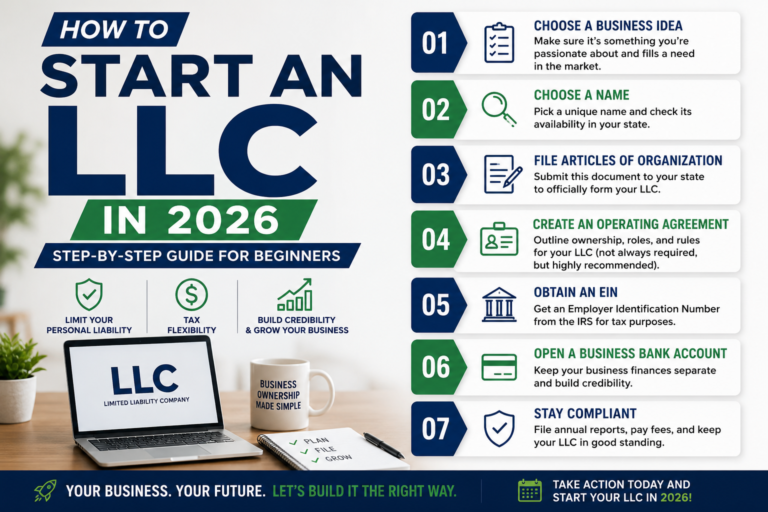
A single member LLC works best when you treat it like a real, separate business from the first day. That means using the exact legal name on invoices and contracts, adding “LLC” to your signature block, keeping a written record of major decisions, and holding your business funds in a dedicated bank account. These habits cost almost nothing and make your liability protection much easier to defend.
Owner Contributions, Draws, and Distributions
Money you put into the LLC is a capital contribution, and money you take out is a draw or distribution. Track both in your books. Because a single member LLC is typically disregarded for income tax purposes, you generally pay tax on the profit whether or not you withdraw it, so a distribution is not a separate taxable event in the way wages would be.
Self-Employment Tax and Estimated Payments
Unless you elect a different tax treatment, your share of profit is subject to self-employment tax on top of income tax. Because no employer withholds tax for you, the IRS expects quarterly estimated payments. Details on the process and deadlines are on the IRS self-employed tax center. Setting aside a fixed percentage of every payment you receive helps avoid a large bill in April.
When to Consider Electing S-Corp Treatment
As profits grow, some owners elect to have the LLC taxed as an S corporation, which can change how much income is subject to payroll taxes but requires running payroll and filing a separate return. It usually makes sense only after profits reach a level where the added administration is worth it. Discuss the numbers with a tax professional before filing the election.
Annual Maintenance Checklist
Each year, file your state annual report if required, renew any business licenses, confirm your registered agent is still active, review your operating agreement, and reconcile your bank and bookkeeping records. Putting these dates on a calendar prevents accidental lapses that can lead to penalties or administrative dissolution.
Frequently Asked Questions
Can a single member LLC have employees? Yes. Once you hire employees, you will need an EIN and must handle payroll taxes.
Can I add a member later? Yes, but the LLC then becomes a multi-member LLC and will need an updated operating agreement and, by default, partnership tax treatment.
This article is general information, not legal or tax advice.
Conclusion
A single member LLC is the ideal structure for most solo business owners and freelancers. It provides meaningful personal asset protection with minimal tax complexity. The key is maintaining proper separation between personal and business finances. Continue with How to Form an LLC Step by Step and LLC Operating Agreement Guide.