What is an LLC? A Complete Beginner’s Guide
When you start a business, one of the most important early decisions is choosing your legal structure. For most small business owners, freelancers, and entrepreneurs, a Limited Liability Company — better known as an LLC — is the most popular and practical choice. This guide explains exactly what an LLC is, what protection it provides, how it is taxed, and whether it is right for your business.
Disclaimer: This content is for informational purposes only and does not constitute legal or financial advice. Laws vary by state. Always consult a qualified attorney for advice specific to your situation.
What Does LLC Stand For?
LLC stands for Limited Liability Company. It is a business structure available in all 50 US states that combines the liability protection of a corporation with the tax simplicity and flexibility of a sole proprietorship or partnership. The LLC was designed to give small business owners the best of both worlds — legal protection without the complexity of a full corporation.
The Most Important Feature: Limited Liability Protection
The single most important feature of an LLC is the limited liability protection it provides. In a sole proprietorship — the default status when you operate a business without any formal structure — you and your business are legally the same entity. If your business is sued or cannot pay its debts, creditors can come after your personal assets: your home, your car, your bank accounts, your savings.
An LLC creates a legal separation between you and your business. The LLC is its own legal entity. If the LLC is sued or cannot pay its debts, generally only the LLC’s assets are at risk — not your personal assets. This protection is called the corporate veil. It is the primary reason most business owners form an LLC. Read our guide on LLC vs Sole Proprietorship for a detailed comparison.
How is an LLC Taxed?
One of the most appealing features of an LLC is its tax flexibility. By default, the IRS does not tax an LLC as a separate entity. Instead, the LLC’s profits and losses pass through directly to the owners’ personal tax returns — this is called pass-through taxation.
Single-member LLC: Taxed like a sole proprietorship by default. Business income reported on Schedule C of your personal tax return. Simple and straightforward.
Multi-member LLC: Taxed like a partnership by default. The LLC files an informational tax return (Form 1065), and each member reports their share of profits on their personal return.
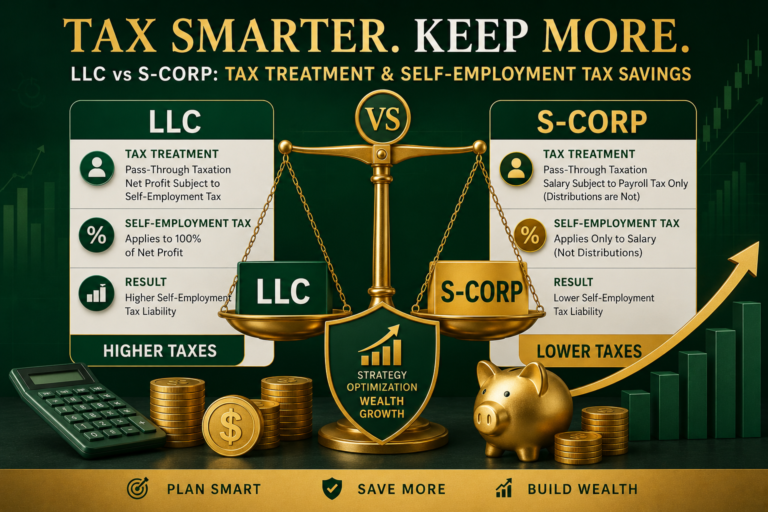
LLC taxed as S-Corp: An LLC can elect to be taxed as an S-Corporation, which can save self-employment taxes for higher-income business owners. Read our guide on LLC Taxes Explained for complete tax guidance.
Who Should Form an LLC?
An LLC is appropriate for a wide range of business owners. Freelancers and consultants who want personal asset protection. Small business owners in any industry. Real estate investors holding rental properties. Online business owners and e-commerce sellers. Service professionals — photographers, designers, writers, coaches. Anyone who wants the credibility of a formal business structure without the complexity of a corporation.
LLC vs Other Business Structures
Sole Proprietorship: No formation required, no protection, taxed simply. Fine for very low-risk hobby businesses but dangerous for any business that could face liability.
Partnership: Two or more owners, no protection by default. Generally inferior to an LLC for most partnerships.
S-Corporation: More complex and expensive to maintain than an LLC. Has restrictions on number and type of shareholders. Can be beneficial for tax purposes at higher income levels.
C-Corporation: The structure for companies seeking venture capital or planning to go public. Much more complex and expensive than an LLC. Not appropriate for most small businesses.
Read our detailed comparison in LLC vs Corporation: Which is Right for You?
What Does an LLC Cost?
The cost to form an LLC varies by state. State filing fees range from $50 in Kentucky to $500 in Massachusetts. Most states charge between $50 and $200. There may also be annual fees, franchise taxes, or report filing requirements depending on your state. Read our guide on How Much Does an LLC Cost? for state-by-state costs.
Key LLC Terms You Need to Know
Member: An owner of an LLC. An LLC can have one member (single-member LLC) or multiple members.
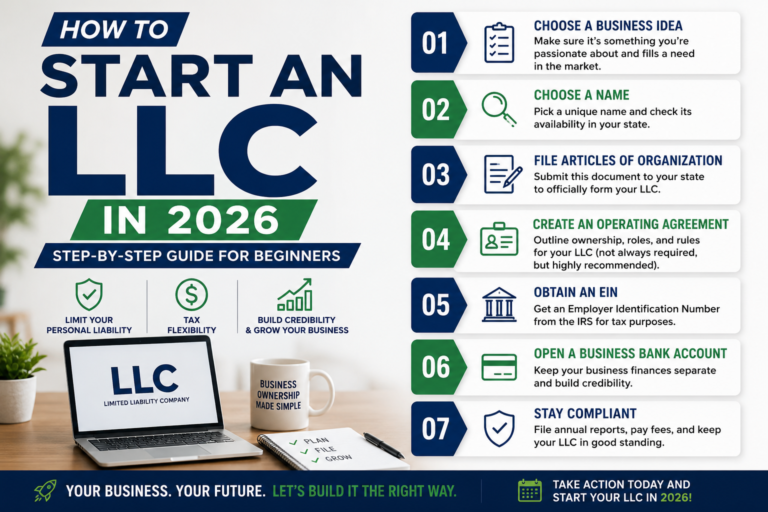
Operating Agreement: A document that governs how the LLC is managed and how profits are distributed. Read our guide on LLC Operating Agreements.
Articles of Organization: The document you file with your state to officially form the LLC.
Registered Agent: A person or company designated to receive legal documents on behalf of the LLC.
EIN: Employer Identification Number — the tax ID for your LLC. Read our guide on How to Get an EIN for Your LLC.
Conclusion
An LLC is the most popular business structure in the United States because it provides meaningful personal asset protection, tax flexibility, and professional credibility — without the complexity and cost of a corporation. For most small business owners, forming an LLC is one of the best early business decisions they can make. Continue with How to Form an LLC Step by Step and LLC vs Sole Proprietorship.