LLC for Freelancers: Do You Really Need One?
TITLE: LLC for Freelancers: Do You Really Need One?
FOCUS KEYWORD: LLC for
Freelancers often wonder whether forming an LLC is worth the cost and effort. The honest answer depends on your income level, the types of clients you work with, and your personal risk tolerance. This guide helps freelancers make an informed decision — without the legal jargon.
Disclaimer: This content is for informational purposes only and does not constitute legal advice. Consult a qualified attorney for advice specific to your situation.
What Protection Does an LLC Give a Freelancer?
An LLC protects your personal assets if a client sues you. As a freelancer, potential liability scenarios include a client claiming your work caused them financial harm, a client accusing you of missing a deadline that cost them money, intellectual property disputes, and contract disagreements. Without an LLC, a successful lawsuit could reach your personal savings and assets. With an LLC, only the LLC’s assets are at risk — protecting your personal finances. Read What is an LLC? for full foundational context.
When Does a Freelancer Definitely Need an LLC?
You should form an LLC if you earn more than $20,000 annually from freelancing, you work with corporate clients who require vendor insurance or formal business entities, your work carries meaningful error and omission risk (writing, design, consulting, legal work, financial advice), you want to build a professional business brand rather than operating under your personal name, or you want to separate business and personal finances for tax and accounting purposes.
When Might a Freelancer Skip an LLC?
You might delay forming an LLC if you are just starting with very low income and testing the freelance market, your work has essentially zero liability risk, and you plan to formalize the business structure once you have consistent clients. But even in these cases, the modest cost of an LLC formation is often worth the protection.
Practical Benefits of an LLC for Freelancers
Beyond legal protection: professional credibility with clients who prefer working with formal business entities, a dedicated business bank account that simplifies bookkeeping and taxes, ability to use your LLC name on invoices and contracts instead of your personal name, easier application for business credit cards and lines of credit, and the ability to deduct business expenses more cleanly with proper business accounts.
How to Set Up an LLC as a Freelancer
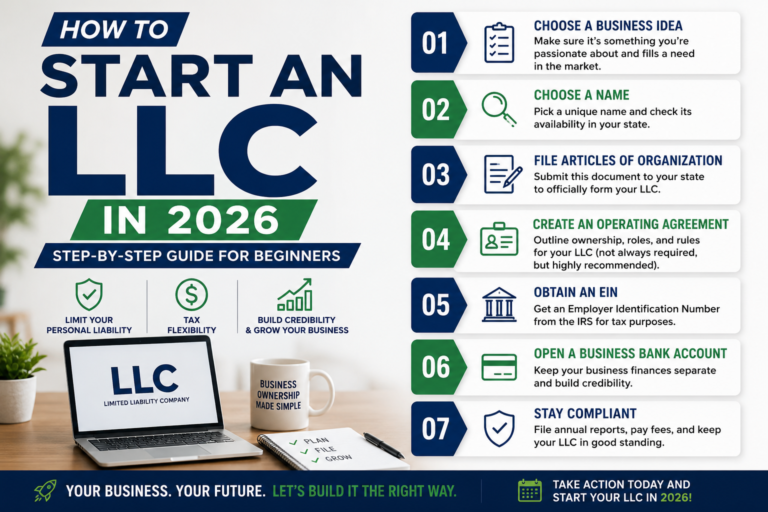
The process is straightforward: choose and register your LLC name in your state, file Articles of Organization and pay your state fee, create a basic operating agreement, get your EIN from the IRS for free, open a business bank account. Total cost in most states: $50 to $200 plus a few hours of time. Read How to Form an LLC Step by Step for the complete process.
What an LLC Does Not Change for Freelancers
An LLC gives you a legal wall between your personal assets and your business debts, but it does not automatically lower your income taxes or make you immune from your own mistakes. You are still personally responsible for your own professional errors, and clients can still sue you directly for work you performed. That is why many freelancers pair an LLC with professional liability insurance rather than treating the LLC as a complete shield.
How Freelancer LLCs Are Taxed
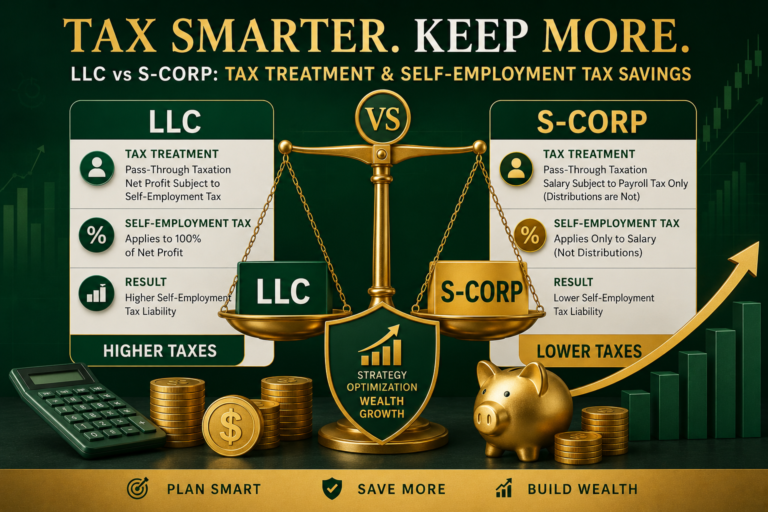
By default, a single-member LLC is a disregarded entity for federal tax purposes, so your business income is reported on Schedule C of your personal return and is subject to self-employment tax. Freelancers with higher profits sometimes elect S-corporation treatment, which can change how much of their income is subject to payroll taxes but adds requirements such as running payroll and filing a separate return. The IRS explains the classification rules on its LLC page. Because the break-even point depends on your state and income, it is worth a conversation with a CPA before electing.
Costs to Weigh Against the Benefits
The real price of an LLC is more than the filing fee. Some states charge an annual report fee or a minimum franchise tax, you may need a registered agent, and you should budget time for keeping business and personal money separate. For a freelancer earning a small side income, those recurring costs can outweigh the protection. For someone with regular clients, contracts, or higher-risk work, the trade-off usually favors forming the LLC.
Client and Contract Advantages
Larger clients often prefer to sign contracts with a registered business, and an LLC can make invoicing, opening a business bank account, and separating expenses cleaner. It also lets you sign agreements in the company name, which reinforces the separation between you and your business.
A Simple Decision Checklist
Ask yourself four questions: Do I have client contracts or work where a dispute could be costly? Do I own assets, such as a home or savings, that I want to shield? Is my net income high enough that the annual costs are small relative to it? Do I want a formal structure for my brand? If you answered yes to two or more, forming an LLC is worth serious consideration. If not, operating as a sole proprietor while you grow is a legitimate choice.
Frequently Asked Questions
Can I form an LLC in a state other than where I live? You can, but you will usually also need to register as a foreign LLC in your home state, which means paying two sets of fees.
Do I need a separate bank account? Yes. Mixing personal and business funds is one of the fastest ways to weaken your liability protection.
Will an LLC reduce my taxes? Not by itself. The tax savings, if any, come from elections you make after forming it.
This article is general information, not legal or tax advice.
Conclusion
For most freelancers earning consistent income, the modest cost of forming an LLC is worth the protection and professionalism it provides. The question is not really whether you should have an LLC — it is when. For most freelancers, the answer is before you land your first significant client. Continue with LLC Taxes Explained and LLC Bank Account Setup.